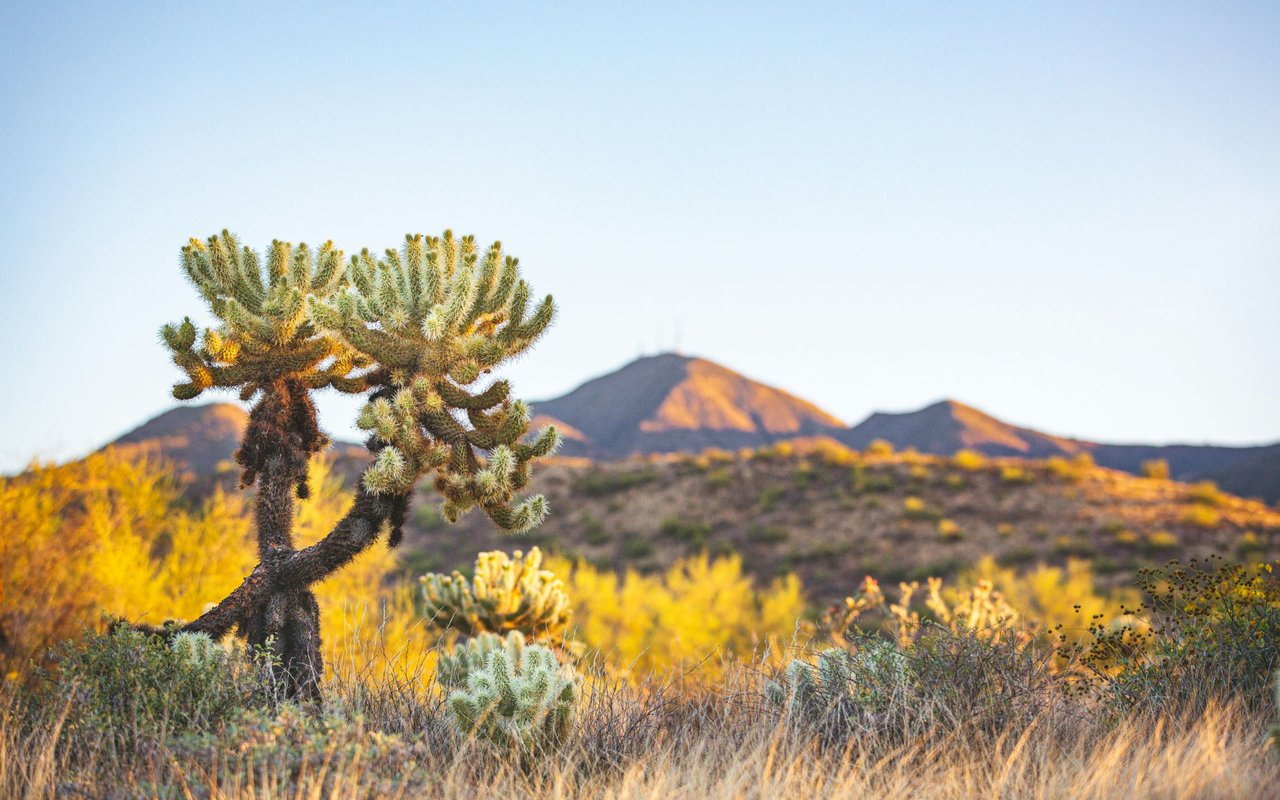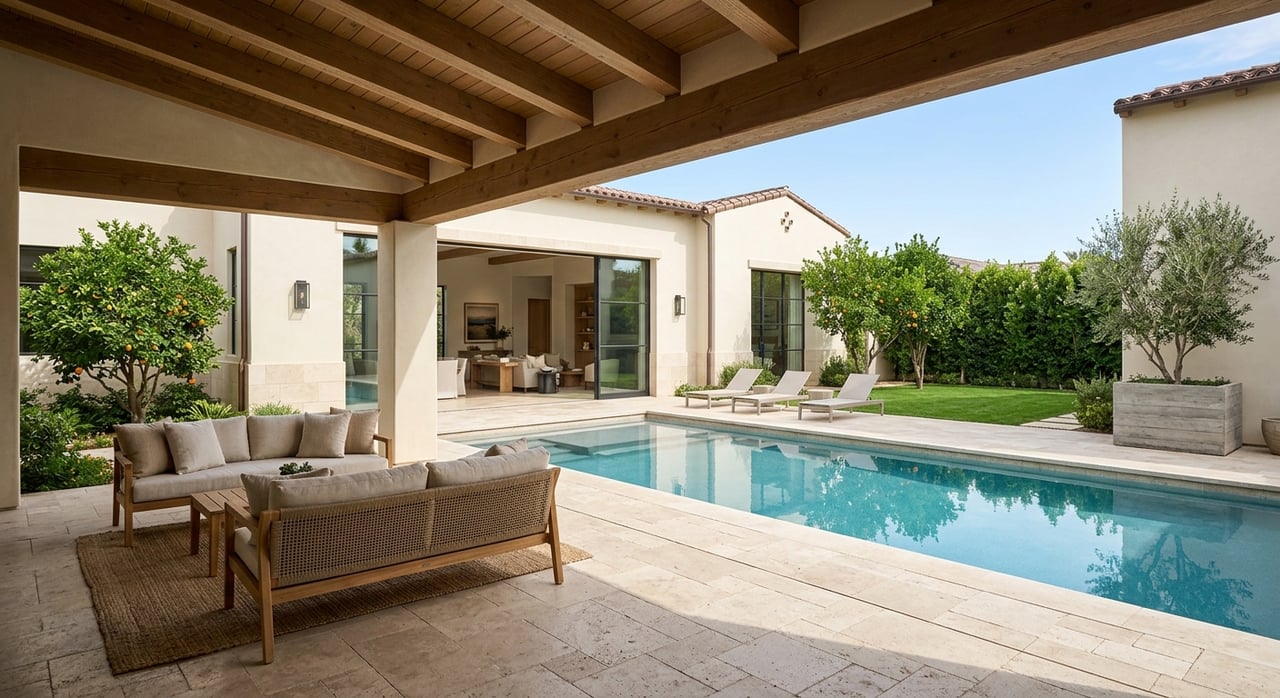
If you picture Arizona living as bright interiors that open to shaded patios, pools, and mountain views, Arcadia is one of the first neighborhoods that comes to mind. For many buyers, the appeal is not just the house itself. It is the way the home and yard work together on a larger lot with mature trees, lawn areas, and a more established setting than many newer communities. If you are considering Arcadia, this guide will help you understand why modern indoor-outdoor living fits so naturally here and what to look for before you buy or renovate. Let’s dive in.
Why Arcadia suits indoor-outdoor living
Arcadia has a physical layout that supports this lifestyle better than many nearby neighborhoods. The Arcadia Camelback Mountain Neighborhood Association describes it as a non-commercial, single-family residential area with generous setbacks, broad lawns, large lots, and historic citrus trees. The City of Phoenix also identifies Arcadia Camelback as a mature neighborhood at the base of Camelback Mountain, with preservation of residential character as a major policy goal.
That setting creates room for outdoor spaces that feel usable and connected rather than squeezed into a small backyard. In Arcadia, it is common to see homes where patios, pools, gardens, and shade structures are just as important as the kitchen or family room. For buyers who want a polished but relaxed Arizona lifestyle, that balance is a big part of the draw.
Where Arcadia sits in Phoenix
Arcadia is often described as the area north of the Arizona Canal and south of Camelback Road, between 44th Street and Scottsdale Road. The area east of 64th Street is in Scottsdale. That location gives Arcadia a distinctive position for buyers comparing Phoenix and Scottsdale options.
You get a Phoenix neighborhood feel with close ties to Scottsdale lifestyle amenities and access patterns. For many buyers, that makes Arcadia feel more established and estate-like than a typical subdivision. It also helps explain why the area stays high on the list for luxury and move-up buyers who care about setting as much as square footage.
Arcadia’s landscape story matters
Arcadia was shaped by irrigable land, large rural home sites, and a long citrus history. Neighborhood history notes that lawns and citrus trees were encouraged as part of the original vision, and SRP states that flood irrigation still moves water through canals and laterals to properties across the Valley. That background gives Arcadia a greener, more layered look than many people expect in the desert.
For indoor-outdoor living, that heritage matters. Mature trees, larger yards, and established irrigation patterns can create a softer transition between interior rooms and exterior living areas. Instead of starting from scratch, many homes already have the bones for a strong outdoor program.
Home styles you will see in Arcadia
Arcadia is not one architectural style, and that is part of its appeal. The City of Phoenix historic survey archive documents late-1920s and 1930s Pueblo Revival homes with adobe, stucco, courtyards, vigas, and flat or parapeted roofs. Buyers who expect only ranch homes are often surprised by that older architectural layer.
By the postwar years, ranch and mid-century forms became a major part of the neighborhood’s identity. Preservation commentary on Arcadia describes 1950s modern ranch homes with screen block, larger expanses of glass, angled rooflines, and a low horizontal profile. The city also notes that much of Camelback East housing was built between 1950 and 1970.
That means your Arcadia search may include everything from revival-era homes with enclosed courtyards to low-slung ranch properties designed to open toward the yard. Some buyers want a carefully updated original home. Others want a newer infill property inspired by desert-modern design. Both can fit the neighborhood, but they offer a different indoor-outdoor experience.
What modern indoor-outdoor living looks like here
In Arcadia, modern indoor-outdoor living is usually less about flashy features and more about flow, shade, and thoughtful use of the lot. A strong layout often connects the kitchen or main living area directly to a covered patio or pool area. Large glass openings, open floor plans, and deep overhangs reflect design ideas associated with desert modernism in hot climates.
The National Park Service notes that desert modern design often uses flat roofs, open plans, extensive glass, sliding doors, and overhangs to support indoor-outdoor living while responding to climate. In Arcadia, those principles often show up in remodeled ranch homes and contemporary builds that frame mature landscaping, outdoor dining, and pool views as part of everyday living.
Climate shapes good design choices
Phoenix heat is not a minor detail. The city’s heat office notes that the metro routinely faces hot temperatures and high to very high heat risk. The best outdoor spaces in Arcadia usually succeed because they are designed for comfort, not just appearance.
That often means prioritizing covered patios, strong shade structures, and seating areas that stay useful through more of the year. It can also mean choosing outdoor materials and layouts that support easier maintenance. A beautiful yard matters, but a yard you will actually use matters more.
Water-wise landscaping is part of the equation
The City of Phoenix says outdoor watering can account for up to 70% of household water use. Its desert landscaping guidance recommends low-water-use, desert-friendly plants that are adapted to local soil and rainfall patterns. For buyers and owners in Arcadia, that makes planting choices part of the larger lifestyle conversation.
A modern outdoor setup here does not have to mean removing all softness or greenery. It means balancing comfort, beauty, and efficiency. In many Arcadia homes, the most successful yards combine mature trees and established character with updated planting plans that are more practical for long-term ownership.
A local design benchmark
One of the clearest local examples of indoor-outdoor thinking is the David and Gladys Wright House. Phoenix staff describe it as a 1951 to 1952 Frank Lloyd Wright design conceived as a Southwest living study. The design connected the home to its site through elevation, breezes, views, a shade garden, a wraparound ramp, and a small plunge pool.
Most buyers are not shopping for an architectural landmark, but the lesson still applies. In Arcadia, the best homes tend to respect the site instead of fighting it. When a house takes advantage of light, shade, breezes, and yard orientation, the result feels more livable and more timeless.
What buyers should look for first
If indoor-outdoor living is a priority, it helps to evaluate more than finishes. Arcadia buyers should pay close attention to the lot and how the home sits on it. A pretty remodel can be appealing, but the long-term value often comes from the underlying relationship between house, yard, and usable outdoor space.
Here are some smart first checks:
- Lot shape and layout: Look at how much functional yard space you actually have.
- Tree condition: Mature trees add beauty and shade, but they also deserve careful review.
- Irrigation setup: Arcadia’s history makes irrigation an important due-diligence item.
- Pool or spa condition: Outdoor living often centers around these features, so condition matters.
- Access and flow: Notice whether the main living spaces truly connect to the patio and yard.
- Exterior change history: Confirm whether past work appears consistent with city permit rules.
These items are especially important in a neighborhood where lot character can influence both daily enjoyment and future resale appeal.
Renovation rules to know
Arcadia can be a rewarding place to renovate, but you should not assume every project is simple. The City of Phoenix states that permits are required for many residential projects, including remodels and additions, patio covers, fences and walls, porch enclosures, garage or carport work, demolition, and other exterior changes. Pool and spa projects also have their own permit guidance.
If you are buying with plans to expand or rework the backyard, verify what will be required before you commit. This is especially important if your vision includes a new patio cover, outdoor room, major wall changes, or a larger addition meant to improve indoor-outdoor flow.
Historic review can affect exterior work
Some Arcadia properties may also be affected by historic preservation rules. Phoenix says exterior work in HP or HP-L areas requires historic review, while routine maintenance such as painting is excluded. The city also states that properties on the Phoenix Historic Property Register are protected from demolition and adverse alterations through a special review process.
For buyers, that does not automatically mean a property is difficult to improve. It does mean you should understand the review framework early, especially if you are drawn to an older home and hope to make visible exterior changes. In Arcadia, design decisions are often about compatibility as much as creativity.
Why scale and compatibility matter
Arcadia includes older revival homes, ranch properties, modernist landmarks, and newer replacement homes. Because of that mix, scale is a recurring local issue. Preservation commentary notes that newer multistory homes near Arcadia can contrast sharply with the neighborhood’s single-story ranch precedent.
If you are comparing homes, think beyond square footage alone. A well-designed property that fits the lot and preserves a sense of openness can feel more valuable than a larger home with less outdoor comfort or less visual balance. In this neighborhood, proportion matters.
What this means for buyers and sellers
For buyers, Arcadia offers a rare combination of lot size, architectural variety, and outdoor potential in a central location. If your goal is a home that feels both elevated and easy to live in, this neighborhood gives you more ways to find it. The right property may be an updated ranch, a historic home with a courtyard, or a newer house designed around pool and patio living.
For sellers, the indoor-outdoor story is often one of the strongest parts of your marketing. Buyers are not just evaluating bedrooms and bathrooms. They are also responding to shade, flow, mature landscaping, privacy, and the experience of stepping outside from the main living spaces.
A thoughtful strategy can help you present those features clearly, whether you are preparing to list a long-held family home or a more recently renovated property. In Arcadia, the lifestyle is often the value proposition.
If you are exploring Arcadia or preparing to sell there, Ragini Sejpal offers personalized guidance with a calm, strategic approach tailored to your goals.
FAQs
What makes Arcadia Phoenix homes good for indoor-outdoor living?
- Arcadia’s large lots, generous setbacks, mature trees, lawn areas, and established residential character create more room for patios, pools, gardens, and shaded outdoor spaces that connect naturally to the home.
What architectural styles are common in Arcadia Phoenix?
- Arcadia includes a mix of Pueblo Revival homes from the late 1920s and 1930s, postwar ranch and mid-century homes, modernist properties, and newer infill or replacement homes.
What should buyers inspect in Arcadia before buying a home with outdoor features?
- Buyers should closely review lot shape, irrigation condition, mature trees, pool or spa condition, and whether exterior work or additions may involve permit or preservation review.
Do Arcadia Phoenix outdoor renovations require permits?
- Yes, many projects do. The City of Phoenix requires permits for many residential changes, including remodels, additions, patio covers, fences or walls, porch enclosures, garage or carport work, demolition, and pool or spa projects.
Can historic preservation rules affect Arcadia home renovations?
- Yes, some properties may be subject to historic review for exterior work, and homes on the Phoenix Historic Property Register are protected through a special review process for demolition and adverse alterations.